“I’m in crypto” can mean five very different activities with completely different risk profiles. Mixing them up is how beginners lose money while believing they were being careful.
Spot holding
You buy the coin and own it outright. The most you can lose is what you paid, plus fees. Nothing gets liquidated, no deadline forces your hand. This is what most people should be doing if their goal is long-term exposure.
Staking
You lock coins to help secure a proof-of-stake network and earn rewards, or you hand them to a service that does it for you. Two things to check: whether the network actually needs your coins (native staking) versus a platform promising a yield (which is lending with extra steps), and the unbonding period – your coins may be locked for days or weeks.
Lending and “earn” products
You deposit coins with a platform that lends them out and pays you interest. The yield comes from someone else’s borrowing – often leveraged trading. If borrowers blow up, or the platform does, your deposit is at risk. During the 2022 collapses, several “safe” earn products froze withdrawals and never recovered. High yield on a stablecoin is a warning sign, not a feature.
Leverage and futures
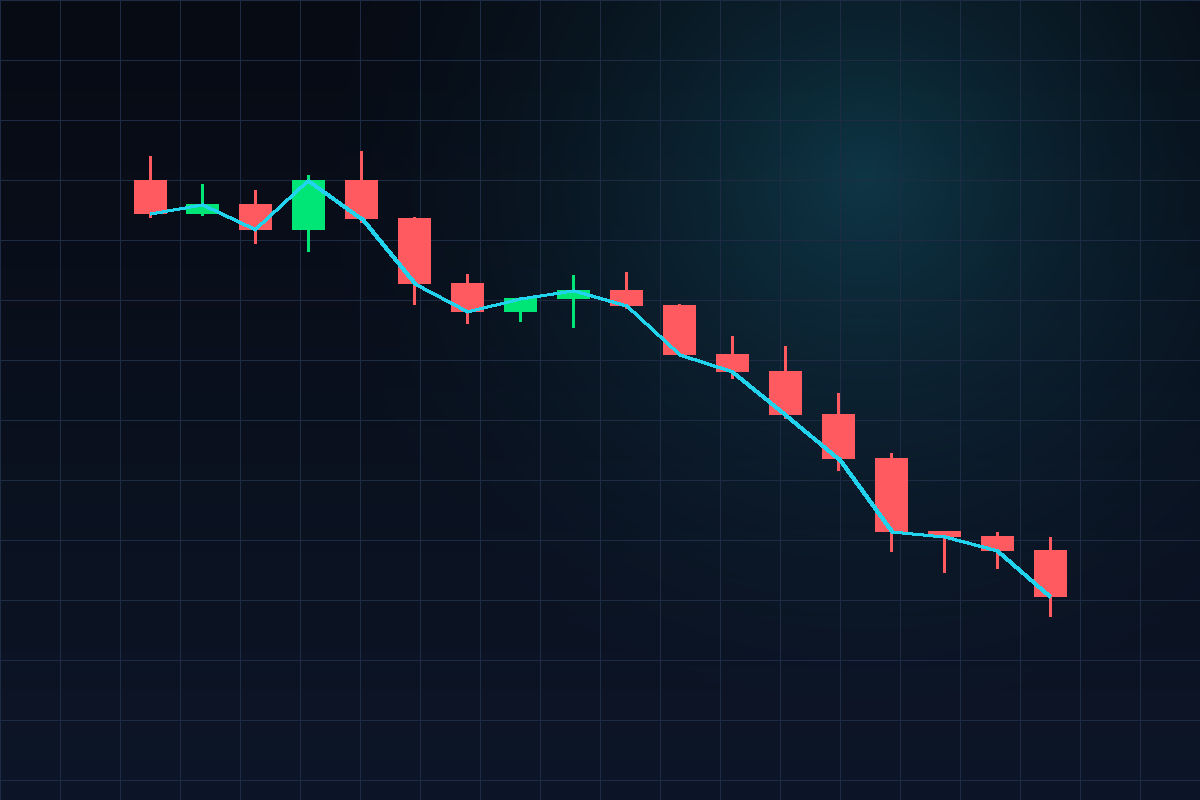
You borrow to control a larger position. Gains and losses are multiplied, and if the position moves against you past the maintenance margin, it is liquidated – closed automatically at a loss, potentially your whole margin. A 10x position is liquidated by roughly a 10% adverse move. Most retail leveraged traders lose money; the fees and funding costs alone make it a negative-sum game.
Yield farming and liquidity provision
You deposit pairs of tokens into a decentralised exchange to earn trading fees. The return is real but so are the risks: impermanent loss when the pair diverges, smart-contract bugs, and tokens whose value collapses faster than the fees accrue.
The honest ranking by risk
- Spot holding – direct price risk, nothing else.
- Native staking – price risk plus a lock-up.
- Liquidity provision – price risk, impermanent loss, contract risk.
- Centralised lending/earn – counterparty risk on top of price risk.
- Leverage – all of the above, multiplied, with liquidation on a timer.
Education, not financial advice. Crypto is volatile and you can lose everything you put in. Never share your seed phrase or private keys with anyone.