Bitcoin is digital money that no single company or government issues. It was launched in 2009 and is run by thousands of independent computers instead of a head office. That is what “decentralised” means, and it is the reason nobody can freeze or inflate it at will.
How it works without a bank
Picture a public record book that everybody can read and nobody can quietly edit. That book is the blockchain. When you send Bitcoin, the transaction is written into a new page of that book, and the computers that maintain it – called miners – compete to confirm the page. Miners are paid in new Bitcoin, which is also how new coins enter circulation.
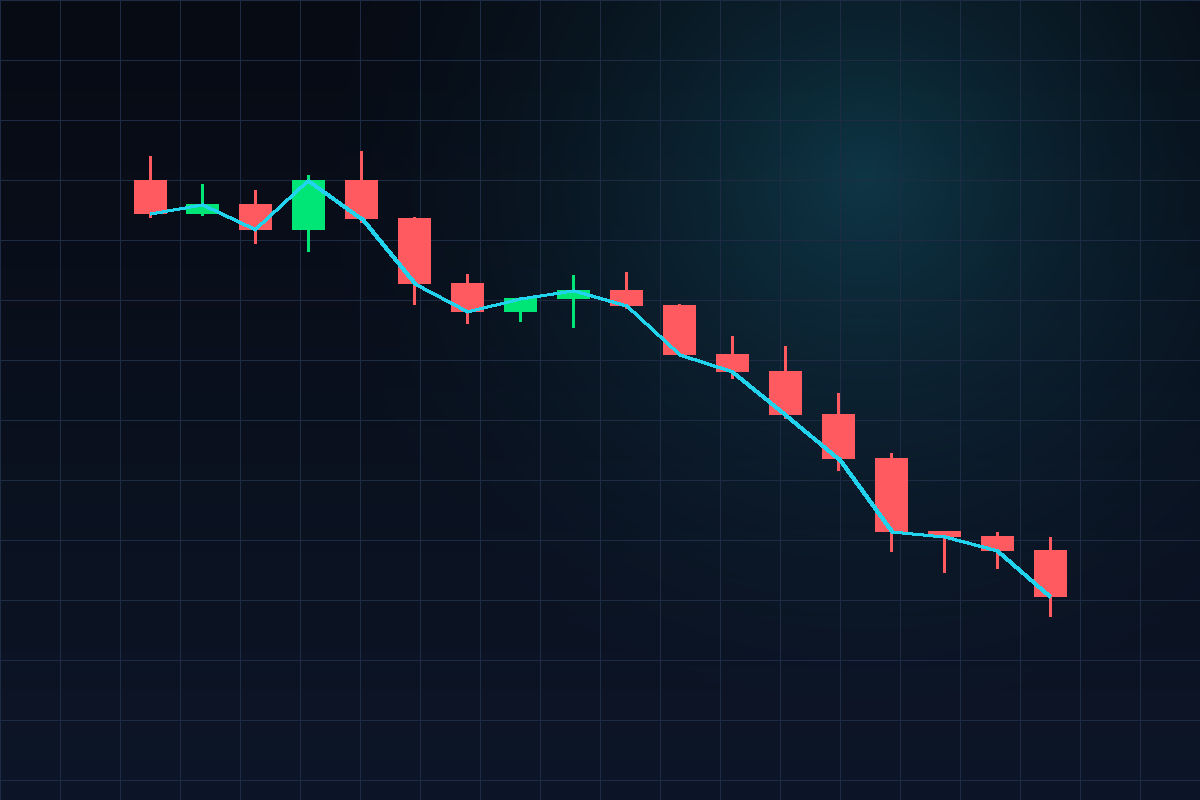
Bitcoin has a hard cap of 21 million coins. No committee can decide to print more, so the supply is fixed and known in advance. That scarcity is why people call it “digital gold”, though a fixed supply does not stop the price from falling.
Why people use it
- Sending value across borders. A Bitcoin transfer can settle in minutes and does not need a correspondent bank or a working day.
- Escaping a failing currency. People in countries with capital controls or runaway inflation use it to protect savings. This is not a guarantee, and it carries its own risks.
- Self-custody. You can hold the asset yourself instead of trusting a company to hold it for you.
- Speculation. Many people simply trade it for profit. Be honest with yourself: this is the riskiest use, and most short-term traders lose money.
Risks every beginner should know
- Price swings. Double-digit moves in a week are normal. Money you might need soon does not belong here.
- No refunds. If you send coins to the wrong address, or lose access to your wallet, nobody can reverse it. There is no chargeback and no support line that can restore your funds.
- Impersonation. Fake exchanges, fake support agents and fake giveaways are everywhere. Treat any unexpected message about your crypto as a scam until proven otherwise.
- Regulatory change. Rules differ by country and can change how you buy, sell or report crypto.
Education, not financial advice. Crypto is volatile and you can lose everything you put in. Only use money you can afford to lose, and never share your seed phrase or private keys with anyone – no support agent, exchange or wallet provider will ever ask for them.